
The Division of Cardiovascular Medicine
Support Us
The Division of Cardiovascular Medicine is committed to the highest level of patient care and the discovery and development of better treatments for cardiovascular diseases. Your gift can help advance the basic science investigations and support clinical trials of new therapeutic approaches. It can help us prepare the future leaders in cardiology through the support of our trainees. A donation is a meaningful way to honor a significant person in your life or remember someone who has passed away.
Gifts can be made in several ways:
- Online – Make a gift online by using Stanford’s secure Web site for giving.
- By Mail
Development Services
P.O. Box 20466
Stanford, CA 94309
- Call Us – Contact our development staff by calling 650.725.2504 to discuss a gift.
A Message from our Chief
Welcome to the Division of Cardiovascular Medicine, a dynamic and innovative center dedicated to excellence in research, medical education, and clinical care. Our division is driven by over 80 faculty, clinician educators and instructors who are the pillar of strength in the Division’s ongoing efforts into the prevention, and treatment of cardiovascular disease. Our goal is to provide excellence in teaching, research and clinical care. The Division of Cardiovascular Medicine is one of the largest academic and clinical units within the Department of Medicine, providing clinical services to more than 250,000 patients annually through Stanford University Medical Center and the Palo Alto Veterans Affairs Health Care System. We deliver compassionate and cutting edge preventive, diagnostic and therapeutic services to patients with coronary artery disease, valvular heart disease, arrhythmia, aortic disease and heart failure.
Our Research Center, the Falk Center, is one of the pre-eminent facilities in the world in the field of Cardiovascular Medicine and Cardiothoracic Surgery. The Falk Center is 52,000 square feet, located adjacent to Stanford Hospital and Lucile Salter Packard Children’s Hospital, where collaborative and cutting edge research is performed by our highly trained faculty.
We invite you to learn more about the Division of Cardiovascular Medicine through this website.
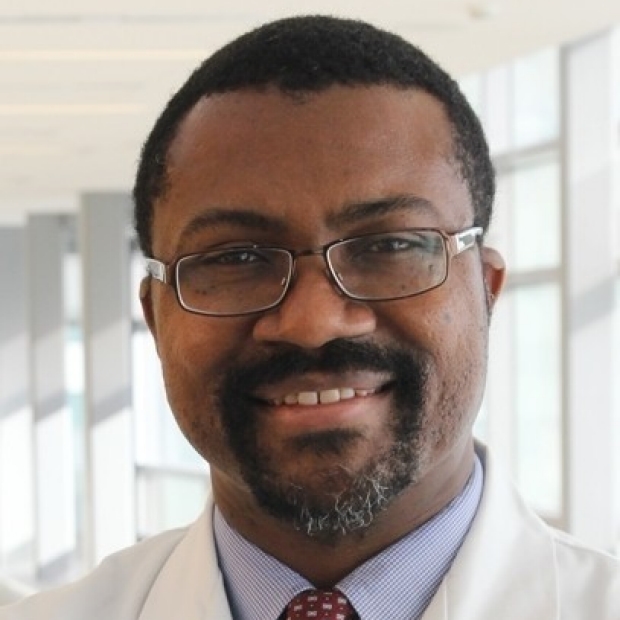
Eldrin F. Lewis, MD, MPH.
Professor of Medicine (Cardiovascular Medicine) at the Stanford University Medical Center
Featured News
-
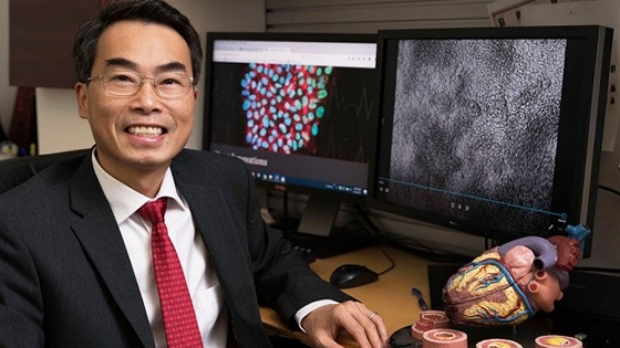
Stanford’s Joseph Wu to be president of the American Heart Association
Beginning July 2023, Wu will lead the nation’s largest nonprofit organization dedicated to advancing cardiovascular health.
-
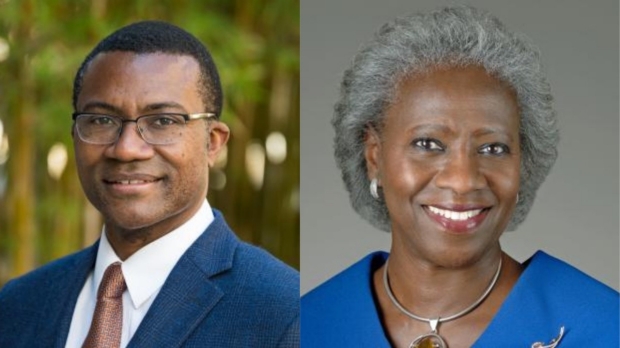
Stanford researchers testing ways to improve clinical trial diversity
The American Heart Association has provided funding to two Stanford Medicine professors to develop ways to diversify enrollment in heart disease clinical trials.
-

Marijuana linked to heart disease; supplement may mitigate risk, study reports
Marijuana use and heart-attack risk were correlated in a large human study, Stanford scientists and their collaborators found. A molecule in soybeans may counteract these effects.
-
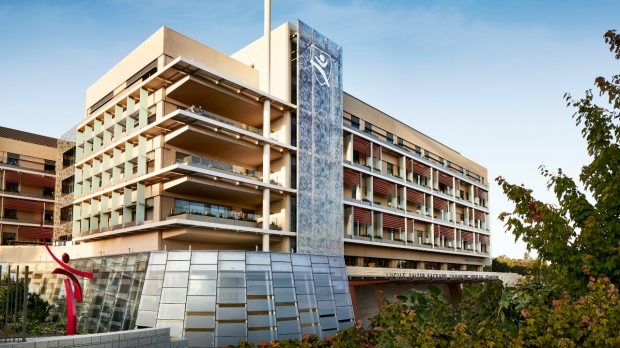
Stanford Children’s Health celebrates 500th pediatric heart transplant at Stanford
Mackenzie Collins was the 500th pediatric patient to undergo a heart transplant at Stanford Medicine.
-
Diversity in genetic research key to predicting risk of high cholesterol
A Stanford study shows that using genomes from a diverse pool of people improves the ability to predict an individual’s risk of having high cholesterol.
Black History Month and Heart Health Month
Information Regarding COVID-19
Stay up to date with information on COVID-19 through Stanford University's Health Alerts and Stanford Healthcare's Resource Center.
Fellowship Information
- Overview
- General Cardiology Fellowship
- Adult Congenital Heart Disease
- Advanced Heart Failure Transplant Cardiology
- Advanced Echocardiography Imaging
- Electrophysiology
- Interventional Cardiology
- Postdoctoral Fellowship
- General Cardiology Clerkship
- Non-US Applicants
- Environment
- Research Training in Myocardial Biology
Cardiovascular Institute Quarterly
Click here to read the Cardiovascular Institute Quarterly, the CVI's newsletter.
Department of Medicine Resource Page
The Department of Medicine has a great new resource page where you can find all kinds of useful administrative information. Click here to find it!
Faculty and fellows share personal insights into what makes them excited about being at Stanford - including diverse research interests, breadth and depth of training and clinical experiences, life in the Bay Area, robust mentor-mentee relationships, and learning how to be a leader in Cardiovascular Medicine.
Faculty
Eldrin F. Lewis, MD, MPH
Division Chief, Cardiovascular Medicine
Heart Failure Faculty
Fatima Rodriguez, MD
Assistant Professor of Medicine
General Cardiology and Prevention
Bill Fearon, MD
Professor of Medicine
Interventional Faculty
Kevin M. Alexander, MD
Assistant Professor of Medicine
Heart Failure Faculty
Marco Perez, MD
Associate Professor of Medicine
EP Faculty
Kiran Khush, MD
Associate Professor of Medicine
Heart Failure Faculty
Celina Yong, MD, MBA, MSc
Assistant Professor of Medicine
Interventional Faculty
Sanjiv Narayan, MD
Professor of Medicine
EP Faculty
Mintu Turakhia, MD
Associate Professor of Medicine
EP Faculty
Ron Witteles, MD
Professor of Medicine
Heart Failure Faculty
Shirin Jimenez, MD
Clinical Assistant Professor
Heart Failure Faculty
David Maron, MD
Clinical Professor
General Cardiology and Prevention Faculty
Vicki Parikh, MD
Assistant Professor of Medicine
Research and Genetics Faculty
George Lui, MD
Clinical Associate Professor
ACHD Faculty
Tom Quertermous, MD
Professor of Medicine
Research and Genetics Faculty
John C. Evans, MD
Clinical Assistant Professor of Medicine
EP Faculty
Abha Khandelwal, MD
Clinical Associate Professor of Medicine
General Cardiology and Prevention Faculty
Guson Kang, MD
Clinical Assistant Professor
Interventional Faculty
Risheen Reejhsinghani, MD
Clinical Assistant Professor of Medicine
General Cardiology and Prevention Faculty
Rahul Sharma, MD
Clinical Associate Professor of Medicine
Interventional Faculty
Jennifer Tremmel, MD
Associate Professor
Interventional Faculty
Hannah Valantine, MD, PhD
Professor of Medicine
AHFTC Faculty
David P. Lee, MD
Professor of Medicine
Interventional Faculty
Christiane Haeffele, MD
Clinical Assistant Professor
ACHD Faculty
Joseph Wu, MD, PhD
Professor of Medicine
Research and Genetics Faculty
Paul Heidenreich, MD, MS
Professor of Medicine
General Cardiology and Prevention Faculty
Euan Ashley, MD, PhD
Associate Dean, School of Medicine, Professor of Medicine
Heart Failure Faculty
Paul Wang, MD
Professor of Medicine
EP Faculty
Jeff Teuteberg, MD
Associate Professor of Medicine
Heart Failure Faculty
Former Fellows / Alumni
Paul Cheng, MD, PhD
Instructor, Cardiovascular Medicine
General Cardiology Fellow '20
Shoa Clarke, MD, PhD
Instructor, Cardiovascular Medicine
General Cardiology Fellow ‘20
David Ouyang, MD
Former Fellow
General Cardiology Fellow '20
Rob Wirka, MD
Former Fellow, Stanford University
General Cardiology Fellow ‘16
Leila Yeh Beach, MD
Former Fellow, Cardiovascular Medicine
General Cardiology Fellow '21
AHFTC Fellow '22
Han Zhu, MD
Clinical Instructor, Cardiovascular Medicine
General Cardiology Fellow ‘20
Maggie Ning, MD, PharmD and Pablo Sanchez, MD
Former Fellows, Cardiovascular Medicine
General Cardiology Chief Fellows '22
Ashish Sarraju, MD
Former Cardiology Fellow
Current Fellows
Neil Kalwani, MD, MPP
Current Cardiology Fellow
AJ Roberts, MD, MBA
Electrophysiology Fellow '22
Former Fellow, Cardiovascular Medicine
General Cardiology TIP Fellow
Chad Weldy, MD
Current General Cardiology TIP Fellow
Jennifer Woo, MD
Former General Cardiology Fellow '21
Current ACHD Fellow '23